

How to Read a Headshot Contact Sheet Before You Book
A headshot contact sheet can tell you something a photographer’s homepage can’t. Pick three consecutive frames of the same actor. In the first, they seem to be waiting for instructions. In the next, something catches their attention. By the third, you want to know what they just heard. That little sequence tells you why the finished portrait works. It also gives you a way to compare Los Angeles photographers whose favorite images all look impressive.
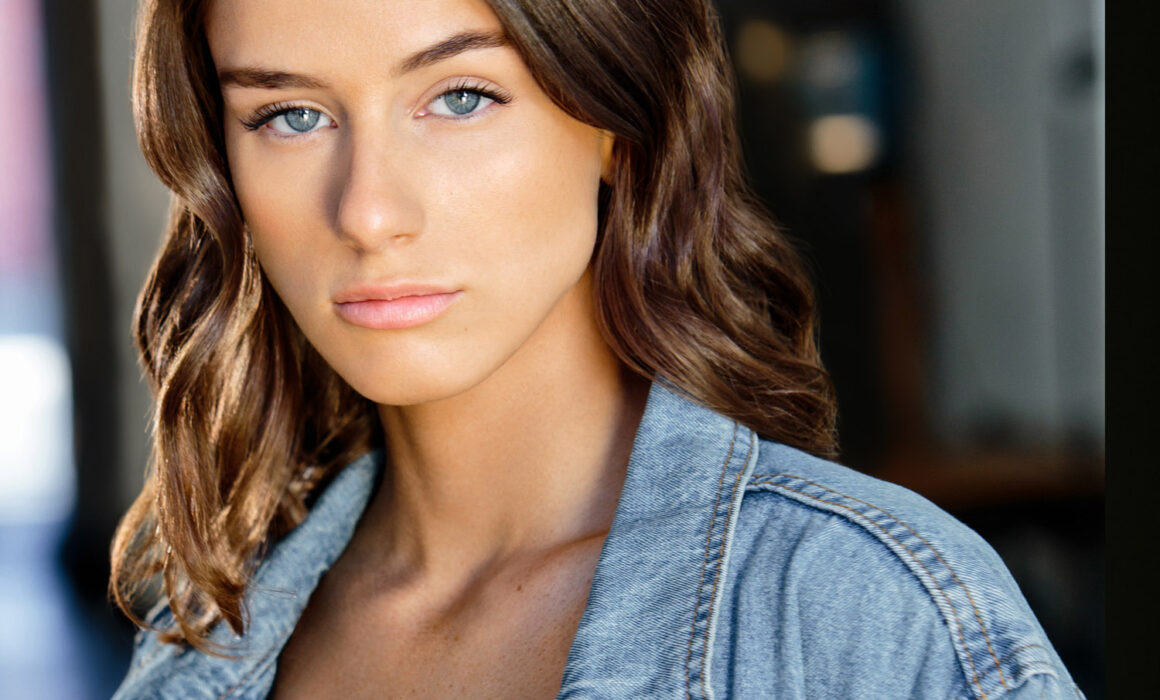
What a headshot contact sheet shows you
A contact sheet is a set of small previews from a shoot, often arranged in a grid. A digital proof gallery can serve the same purpose. For this exercise, you want several frames of one person in one setup. A page of unrelated finished portraits answers a different question. It shows the photographer’s taste across many sessions. A short sequence lets you see what changes within a single one.
Start with the public actor headshot portfolio to find a look you respond to. Then ask whether the studio has a sample sequence it can share with the actor’s permission. Six or eight frames can be plenty. A studio may protect its clients’ private galleries. An approved example on a consultation screen, or two neighboring frames the photographer can discuss, can work just as well.
Follow one actor across the row
Read the headshot contact sheet from left to right before you pick a winner. Keep your attention on the same feature for a pass. Watch the mouth first. Does the smile arrive, settle and soften? Then look again at the eyes. Can you see the instant the actor starts responding to something? These small changes are easier to spot when wardrobe, background and lighting stay consistent.
Imagine a sequence with a big smile in frame one, a smaller smile in frame two and an almost neutral expression in frame three. You might instinctively favorite the first because the actor looks likable. For a scene in which a teacher gently calls a student’s bluff, the second might carry more information. Naming the imaginary scene helps you explain why one frame speaks to you.
Ask what happened between two frames
This is the most revealing question you can bring to a consultation. Point to a specific pair and ask, “What did you ask the actor to do between these?” Perhaps the photographer changed the eyeline. Perhaps they invited the actor to remember somebody they trusted. Perhaps they simply let the silence last another beat. Each answer offers a glimpse of what a session with that photographer might feel like.
Tell the photographer how you tend to work. If posing makes you self-conscious but a scene partner brings you to life, say so. If you like precise physical adjustments before you start playing, say that instead. A headshot contact sheet gives you both something concrete to discuss. You can decide whether the kind of direction that produced the work sounds like direction you could actually use.
Look for consistency across skin, eyes and focus
Enlarge two nearby previews if the sample allows it. When an actor turns slightly, can you still read the eye farther from the camera? As their chin drops, does their face stay clear? Look at the skin beside the nose and along the jaw. Texture will vary with lighting and image size. What matters here is whether the person still looks like the same person as they move.
A proof can have an unfinished crop or a temporary blemish. Those details are easy to discuss later. Pay closer attention to things that are difficult to manufacture afterward, like a relaxed jaw or genuine curiosity. If a particular frame looks unusually polished, ask whether it is a finished example. Comparing a proof with its final version can help you understand the photographer’s retouching taste.
Try the three-frame test on a phone
Choose one frame you would send for a dry comedy, one for a grounded drama and one you would leave out. Make the previews small enough that all three fit across your phone. Cover the filenames. Can you still pick out each choice? Say why aloud. “She seems to know exactly where this conversation is going” gives you more to work with than “I like her cheekbones here.”
Repeat the test with the headshot contact sheet the next day. Give yourself permission to change your mind. Sometimes the image that first seemed quiet becomes the most interesting one after the initial surprise of a brighter image wears off. If you have a scene partner you trust, ask them to describe the difference between the frames. Keep your favorite private until they have answered.
Notice what the sample leaves open
A headshot contact sheet from one successful setup cannot tell you how every session will run. It may show a confident actor who warmed up before those photographs began. It may come from the last ten minutes of a longer shoot. Ask where in the session the sequence occurred. An honest answer about a slow start can be especially reassuring if you usually need a little time.
Ask how you will review your own images afterward. Can you share a private selection with your agent? Are the filenames stable when you send notes? How much time do you have to choose? If you manage submissions through Actors Access, open your current profile beforehand. Seeing which expressions you already have can change the example you ask the photographer to show you.
Bring one observation to your booking call
Write one sentence about the photographer’s work and one about yourself. For example, “I liked the frame where the actor almost laughed and then held it back. On camera I tend to hold a smile too long.” That pairing offers a practical starting point for a conversation. It gives the photographer a chance to explain how they would help you find a similarly specific moment.
If you are comparing the best headshot photographers in Los Angeles for your own work, keep the notes with each photographer’s name. Use our photographer consultation questions for the rest of the conversation. When one studio’s headshot contact sheet keeps coming back to mind, identify the frame and the reason. That is a much stronger basis for booking than trying to remember which studio had the most beautiful homepage.