
Actor Headshots With a Beard: When to Shave on Shoot Day
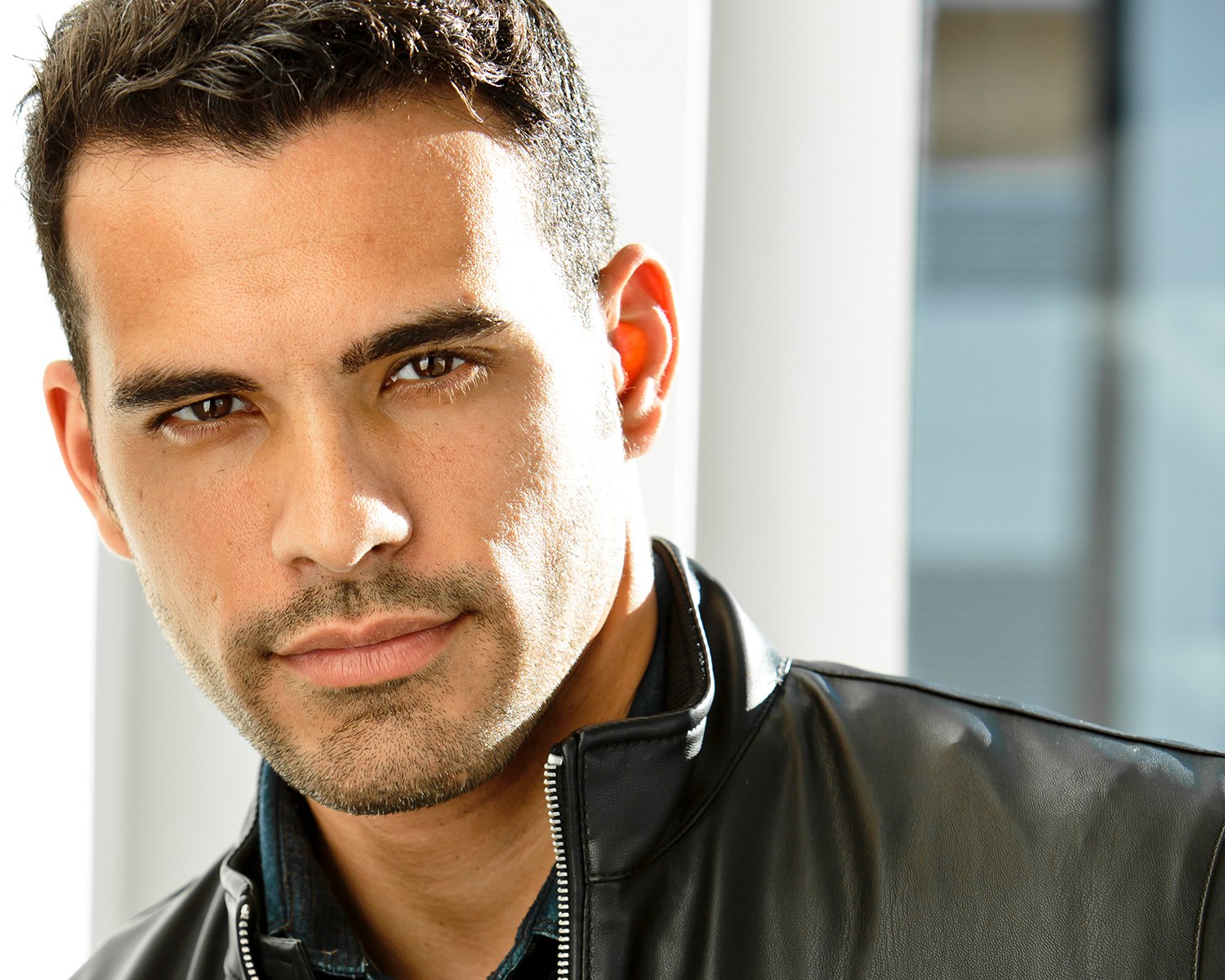
Before you book actor headshots with a beard, look at your calendar. How long would it take you to grow back the beard you have today? When is your next audition? And do you actually like working clean-shaven, or did somebody at brunch tell you that you have a great jawline? These questions change the order of a shoot. The camera can wait five minutes for a wardrobe change. It has proven remarkably unwilling to wait six weeks for a beard.
Plan actor headshots with a beard around your actual auditions
Pull up five recent self-tapes or audition requests. Write down what you looked like for each one and, separately, whether the role asked for a particular appearance. Those are different pieces of information. You might have worn stubble five times because that is how you work, or because all five tapes happened to land during a week when your razor lived in a moving box. Only one is a sound basis for planning your next year of submissions.
Then ask your rep one specific question. “If we only got one new picture this month, which version of me would you submit most often?” A useful answer names a gap. Perhaps your rep has a terrific clean-shaven commercial shot and nothing current for the bearded face appearing on your tapes. In that case, a session devoted to your beard could do more for you than three grooming changes. You can build variety through the work you do in front of the lens.
Decide what the beard changes in the frame
Facial hair changes the visible outline of your face. A fuller beard can soften the edge of a chin or give a longer shape to the lower half of the frame. A short mustache can draw attention to a small smile. What it means emotionally depends on the rest of the picture. A bearded actor listening patiently to a child tells an entirely different story from the same actor watching a business partner explain the missing money.
Try both situations in the mirror without changing your clothes. In the first, give the kid time to finish an obviously enormous lie about the broken lamp. In the second, let the business partner keep talking because every extra word helps your case. You may barely move. Yet the warmth in one response and the stillness in the other can give your photographer two distinct frames. That is range you can use without touching a trimmer.
Build a shoot order you can actually reverse where it matters
Start with the longest facial hair you plan to photograph. Get the shots you care about most in that state. Check a few frames together for focus, expression and the way the beard sits against the shirt. If there is another jacket you want to try with the full beard, this is the moment. Once the first strip comes off, enthusiastic optimism has very little to contribute.
For a session with two grooming states, I like a short written order. For example, beard in an open-collar shirt, beard in the jacket, review, grooming break, then clean-shaven in a fresh shirt. An intermediate stubble look earns its place if you would submit it. Otherwise it can absorb the best part of your session while everybody debates whether a three guard has more emotional availability than a four.
Bring your own familiar grooming tools and tell the studio ahead of time that you want to shave. Include how long your usual routine takes and whether you prefer to finish grooming away from the camera. If your skin normally looks blotchy for hours afterward, plan around that experience. You can photograph the clean-shaven look another day. A schedule built around the skin you actually have makes for a calmer afternoon.
Keep the light, shirt and beard from becoming one shape
A dark beard, black crewneck and very dark background can merge in a tight crop. Sometimes that heavy silhouette is exactly what we want. Other times we lose the jaw, neck and separation between you and the wardrobe. A lighter shirt, a little space at the collar or a change in the position of the light can give the lower face definition. None of those choices requires changing your beard.
Look at the first test frame at two sizes. At full size, check the edges of the beard, the collar and any stray fibers that caught in the hair when you changed shirts. Then shrink the picture to the size you would see scrolling through a casting profile. Look at your eyes. Can you still tell what you are thinking? Browse the MRP actor headshot portfolio at that smaller size and notice how quickly a gesture that seemed subtle on a large monitor becomes the whole story.
Choose the photo you can deliver on a callback
Imagine a callback tomorrow morning. If the full beard in your photo took two months to grow and you shaved last night, your rep needs that information today. Send a clear current snapshot so they can make an informed submission. Conversely, if you maintain a full beard and are happy to shave for a booked job, tell them exactly that. Be precise about when you are willing to make the change. An audition, a callback and a confirmed booking are three different commitments.
When deciding which photos deserve profile space, remember that Actors Access includes two free photos in its Starter membership. A different beard length is one reason to use a second slot. A different performance is another. Ask whether the second image opens up a believable submission that the first cannot handle. For a broader way to evaluate the set, read our guide to building a headshot portfolio that lasts.
What to send your photographer before the session
Send one recent photo in natural light, one older photo that shows the other grooming state you are considering, and a sentence about what your rep needs. “I look like the first picture today. I can shave on set. My rep needs a warm commercial option for dad roles” gives me enough to start planning the light, wardrobe and order. It also tells us which image we absolutely need before you head home.
If your beard is part of how you recognize yourself, keep that in the conversation. A good shoot gives you room to look like the person your scene partner would actually meet. If you are weighing a full beard, stubble or a clean shave for a Los Angeles session, send the studio your two reference photos. We can work out which looks earn camera time while the decision is still reversible.
About the author
Michael Roud is a Los Angeles photographer and director with 17 years of experience photographing actors, celebrities and brands. He has completed more than 30,000 shoots. His studio specializes in director-led actor headshots.