

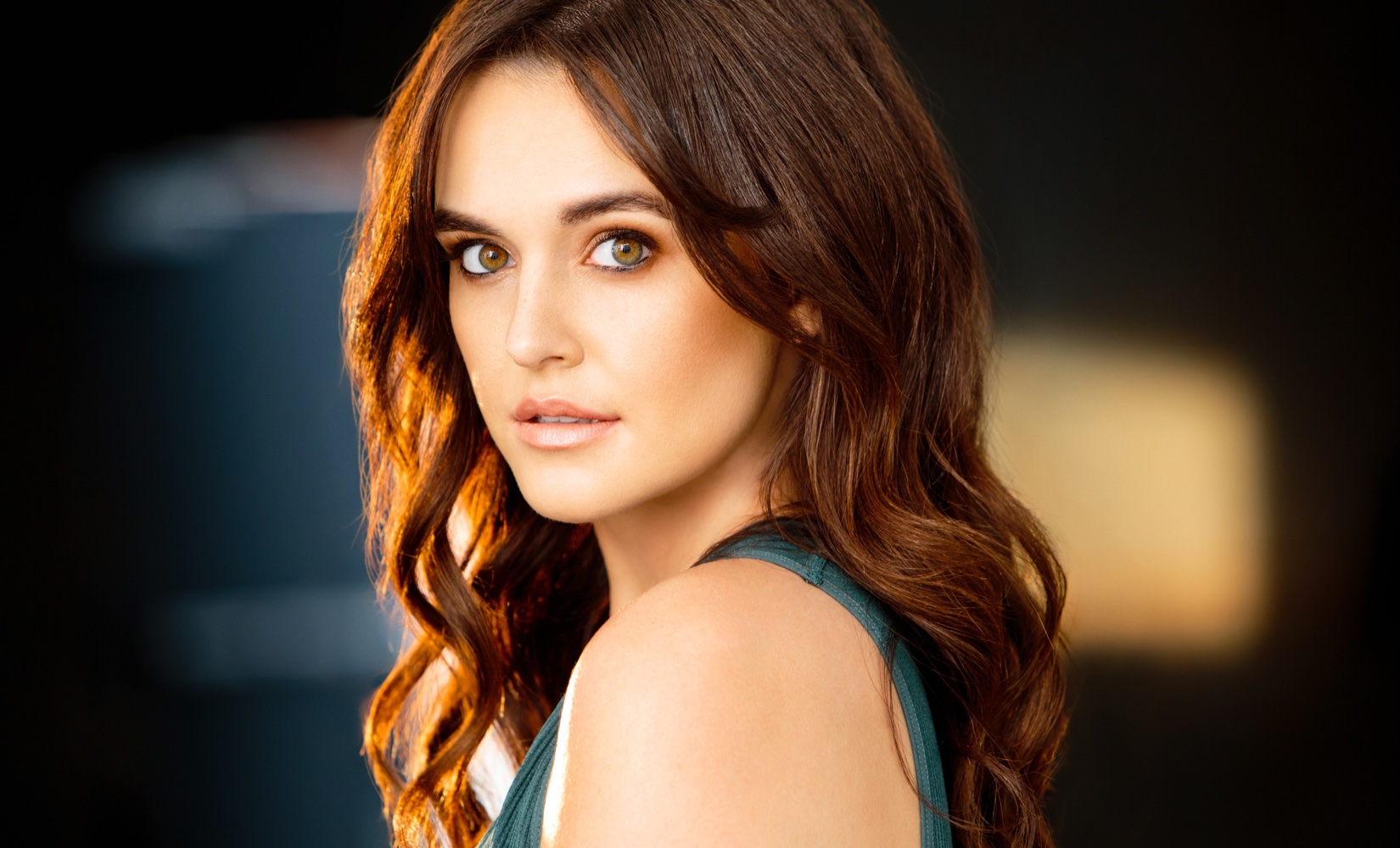
Cinematic Headshot Backgrounds for Los Angeles Actors
Cinematic headshot backgrounds help create depth and atmosphere while keeping attention on your face. For an actor in Los Angeles, the strongest choice supports the impression you want to communicate and stays clear at a small size. Color, brightness, texture, and distance all affect that result.
A background can look appealing on its own and still compete with a portrait. A bright window, a sharp line near the head, or a patch of strong color may pull the eye away from your expression. The useful question is how the whole photograph works together.
When reviewing cinematic actor headshots in our portfolio, notice where your attention lands first. Then look at how the surroundings support the person. This guide gives you a practical way to discuss those choices with your photographer before a session.
What makes cinematic headshot backgrounds effective?
In a still portrait, a cinematic feeling can come from a sense of place, shaped light, thoughtful color, and an engaged expression. A background contributes to that feeling when it creates space around the face and supports the intended mood.
For example, a softly rendered interior might suggest a believable environment without demanding attention. A simple darker surface can emphasize a focused expression. A brighter setting may support an open, approachable portrait. Each choice works through its relationship with the actor.
Keep your use in mind. A photograph intended for submissions needs to communicate quickly. Look at the face, the eyes, and the overall impression before deciding whether the background is interesting enough. The surrounding detail should help someone see you clearly.
Choosing colors for cinematic headshot backgrounds
Background color changes how clothing, hair, and skin appear within the frame. A warm jacket against a cool setting can create separation. Similar tones can produce a quieter portrait, provided the face remains distinct. There is room for both approaches.
Bring wardrobe options that give your photographer flexibility. One outfit may work well against a pale background and blend too closely with another. Small adjustments in angle, distance, or clothing can improve the balance without changing the intended impression.
Look at the full image before judging a color combination. Strong color near the edge can draw attention away from the eyes. Conversely, a restrained background may allow a brighter shirt to work well. Your photographer should be able to explain the choice in relation to the portrait you are creating.
Depth and blur in cinematic headshot backgrounds
A softly blurred background can separate the actor from the setting. The effect depends on the lens, aperture, distance, and arrangement of the scene. You can discuss the visual result without arriving with a technical recipe for the camera.
Ask to see how the eyes and facial detail remain clear while the surroundings become less prominent. Excessive blur can turn a bright object into a large distracting patch. A little more environmental detail may sometimes produce a calmer image.
Depth also comes from layers of brightness and tone. A face can stand apart from a background through careful lighting even when the setting is simple. Look for examples that demonstrate how your photographer manages these relationships across different subjects.
Check cinematic headshot backgrounds for distracting lines
Door frames, window edges, and strong vertical lines deserve attention. Depending on their position, they can frame a face or create an awkward interruption. A slight camera shift can change the result substantially.
Bright highlights matter for the same reason. A patch behind the cheek or a glowing edge near the hair may add depth, but it should suit the image. Review whether your eye travels naturally back to the expression or keeps returning to the background.
During your preparation, identify one or two portfolio examples where the balance feels right to you. Explain what you see in plain language. Saying that you like the quiet background and clear eyes gives the photographer a useful starting point.
Cinematic headshot backgrounds for different impressions
An approachable portrait may benefit from a lighter, more open environment. A dramatic portrait might use more separation between light and shadow. These are creative possibilities to explore with your photographer, and both can be adapted to different faces and wardrobes.
Decide on the intended impression first. If the goal is a warm, confident professional, discuss how clothing, expression, and setting can support that combination. If you want a thoughtful theatrical image, consider whether the background allows subtle expression to remain visible.
The word cinematic covers a wide range of visual styles. Be specific about what you like. You might mean dimensional lighting, a believable setting, restrained color, or a portrait that feels like a moment in a scene. Naming the quality helps everyone work toward the same result.
Review the photograph at submission size
A large photograph can hide a problem that becomes obvious when it is small. Reduce the image and ask whether the eyes remain visible, the expression is readable, and the face separates from the background.
Try looking at several options side by side. If one background consistently attracts your attention before the person, discuss a different crop or another frame. Cropping can improve balance, although it cannot solve every issue in the original photograph.
Check the current image guidance for the platform where you submit. Your Actors Access account is one place to review the way your photographs appear in context. Keep an original high-resolution file and use the appropriate version for each destination.
Prepare for a useful conversation with your photographer
Bring a small set of examples and describe one feature you like in each. Include your planned wardrobe and a current photograph of yourself. This gives the photographer a more useful starting point than a large collection of unrelated images.
Review our headshot preparation and session information before the appointment. If you have a specific background request, ask in advance whether it fits the studio’s approach and your selected session. Availability and the way a setting photographs can affect the plan.
Common background questions
Does a cinematic headshot require an outdoor location?
Indoor and outdoor settings can both create depth and atmosphere. The relationship between the face, light, and background determines the result. Review complete portraits when comparing approaches.
Can a plain background feel cinematic?
Yes. Shaped light, subtle tonal variation, and an engaged expression can give a simple setting dimension. A plain surface can also make the eyes and face easier to read.
Should every look use the same background?
Choose based on the purpose of each look. Consistency can make a set feel cohesive, while a different background can support a distinct impression. Discuss the combination before deciding on the number of setups.
Explore our Los Angeles headshot gallery, then contact the studio to discuss the visual approach you want for your next session.